Images have become the center of modern communication. They spark emotion, build trust, and deliver messages faster than text. Because users consume information visually, every image plays a major role in branding, marketing, search visibility, and storytelling. Businesses, creators, and platforms rely on images to gain attention and drive action.


Image Meaning and Importance
An image is more than a visual representation. It is a form of communication that expresses messages, concepts, and ideas within seconds. Rather than relying on long descriptions, images translate meaning immediately. As a result, audiences understand information faster.
Despite this speed, the significance of an image goes deeper. Since users expect instant clarity and relevance, the right image contributes to identity and reputation. Brands, designers, and marketers control perception with strong visuals. Because of this capability, images shape decision-making.
Types of Image Formats
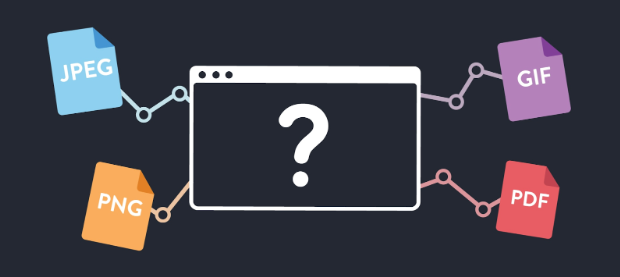
Different image formats exist for different digital experiences. Therefore, understanding formats is necessary for choosing the best visual quality. JPEG, PNG, GIF, and WebP are commonly used formats. Each format supports specific color ranges, transparency, and compression.
However, not every format works for every platform. JPEG keeps quality and reduces size. PNG displays transparency and sharp edges. WebP delivers performance and speed. Consequently, format choices affect loading time, user experience, and SEO efficiency.
Image Resolution and Quality
High-resolution images produce better clarity, sharper details, and professional results. As a result, businesses use HD images for websites, prints, and digital campaigns. Low-quality images reduce credibility and drive audiences away. Resolution includes pixel count, compression, dimension, and quality.
Because resolution affects perception, optimization becomes necessary for consistent quality. Moreover, better resolution improves branding, product presentation, and conversion rates. Therefore, resolution decisions require strategy and testing.
Image Optimization for Search Engines
Image optimization improves visibility and ranking. Search engines understand image context through text, metadata, naming, and structured content. Because platforms want fast loading, relevant content rises higher. Therefore, optimization provides valuable traffic and impressions.
Image optimization steps include structured naming, quality compression, size reduction, and responsive design. Additionally, using alt text strengthens clarity for both humans and algorithms. Better optimization increases discoverability and user satisfaction.
Image Metadata and Structure
Metadata describes an image beyond its visual appearance. Search engines read data like titles, descriptions, and attributes. When metadata becomes accurate, indexing becomes easier. This structure supports search, accessibility, and categorization.
Furthermore, structured metadata highlights relevance and improves performance. Platforms understand content faster, which results in enhanced ranking signals. Consequently, structured metadata becomes a vital part of digital strategy and accessibility.
Image Role in Branding and Marketing
Strong images improve brand perception. Because audiences form impressions visually, the right image speaks instantly. Businesses use images to create emotional reactions that influence memory and decision-making. This effect drives trust and loyalty.
Moreover, effective brands maintain visual consistency. They use matching styles, colors, contrast, and tone. These patterns create recognition and increase authenticity. As a result, images act as strategic branding assets.
Image and Storytelling
Images help tell compelling stories. Humans respond to visuals more than long sentences. Because images capture emotions, users feel connected to messages. Storytelling becomes stronger through expression, symbolism, and composition.
Additionally, images make complex ideas simple and memorable. Visual content increases interaction and attention span. Therefore, storytelling with images changes communication and makes information easier to grasp.
Elements of a High-Quality Image
High-quality images contain composition, lighting, clarity, and focus. Because every detail contributes to impression, creators use rules and techniques. Symmetry, balance, and contrast make visuals more appealing. Sharpness and exposure enhance communication.
Furthermore, effective images align with purpose. When clarity and quality match user expectations, engagement rises. Because of these elements, high-quality images deliver strong impact.
Image Use in Websites and Digital Platforms
Images support navigation, presentation, and user interaction. Websites depend on visuals to improve browsing experience. When images appear relevant and fast, visitors stay longer. Because images build understanding, they improve conversions.
Moreover, platforms reward optimized images. With mobile-first environments, responsiveness determines success. Page speed, layout, and scaling play crucial roles. Consequently, images shape user experience and performance.
Image Editing and Enhancement
Editing makes images stronger and more professional. Because enhancement adds clarity and meaning, final visuals become more impactful. Adjustments like contrast, saturation, cropping, and background edits improve communication.
Furthermore, image editing supports branding and advertising. Creators refine product photos, banners, and visuals for marketing. Therefore, editing improves presentation and helps content stand out.
Image SEO and AI-Driven Optimization
AI-powered tools recognize, tag, and classify images. Because AI interprets content, optimization becomes automatic. AI detects objects, themes, colors, and backgrounds. This capability improves indexing and search relevance.
Additionally, AI reinforces accessibility and structured data. It organizes visual content for better performance. Consequently, the relationship between image and AI transforms digital strategy.
Image Content Strategy
A strong strategy supports business goals. Images require planning, purpose, and curation. Because brands must maintain quality, image libraries help maintain consistency. Visual guidelines ensure style matches messaging.
Moreover, strategy includes relevance, tone, placement, and quality control. With consistent strategy, image communication becomes clear, recognizable, and effective.
Image and User Psychology
Images influence thought and emotion. Users react instantly to color, shape, and composition. Because visuals guide interpretation, creators use psychology to strengthen impact. Images stimulate memory, action, and decision-making.
Additionally, images inspire trust. People believe what they see. Therefore, visuals act as persuasive tools for communication and branding.
Image Trends in Modern Media
Trends in imagery continue evolving. Minimalism, bold colors, authentic visuals, and AI art shape the industry. Because audiences demand originality, image styles change rapidly. These shifts impact marketing, branding, and design.
Furthermore, creators adopt new aesthetics. Clean layouts, futuristic themes, and dynamic compositions rise in popularity. Consequently, trends define future usage.
Image Use for Social Media
Social platforms rely on visuals. Images attract followers, increase engagement, and strengthen communication. Because users scroll fast, visuals capture attention quickly. Brands publish powerful, emotional images.
Moreover, consistent visuals increase discoverability. Quality, color, and storytelling produce stronger results. With strategic images, social presence improves significantly.
Image Compression and Performance
Compression reduces file size while keeping quality. Platforms reward fast content. Because page speed affects user experience, compressed images deliver results. Performance increases retention and ranking.
Additionally, compression tools help maintain clarity. Web performance improves conversion rate and usability. Therefore, compression plays a major role in optimization.
Image in Digital Products
Apps, stores, and services use images for interface design. Visual elements guide users through products. Because visuals simplify steps, navigation becomes easier. Icons, graphics, and photos increase usability.
Furthermore, images improve branding inside products. They support messages and instructions. Consequently, visuals influence adoption and interaction.
With a focus on innovation, Techslassh keeps its audience ahead in the rapidly evolving tech world. It covers topics ranging from gadgets and apps to cybersecurity and AI advancements. Regularly updated content ensures that readers receive timely and relevant information. Techslassh’s dedication to quality makes it an ideal reference for students, developers, and tech hobbyists.
Copyright and Image Ownership
Ownership protects creators and businesses. Because images carry intellectual property, rights control usage. Understanding licensing, fair usage, and permissions prevents issues. This knowledge helps avoid legal risks.
Additionally, copyright promotes originality. Creators maintain control and receive recognition. As a result, images become valuable assets.
Image Future: AI and Innovation
AI and technology continue transforming images. Because automation increases speed and quality, creation becomes simpler. AI generates realistic images, enhancements, and metadata. This evolution expands possibilities.
Moreover, future image innovation supports personalization and automation. New formats, visual intelligence, and creativity drive growth. Consequently, images will continue shaping communication.
Conclusion
Images influence perception, trust, and engagement. Because visuals create powerful experiences, they become essential for branding and communication. Every image should support a goal, enhance quality, and deliver clarity. Use images strategically, optimize them, and take advantage of visual storytelling. Start building stronger visuals now.
FAQs
1. What is an image in simple terms?
An image is a visual representation of information that communicates meaning instantly.
2. Why are images important for businesses?
Images improve branding, trust, and marketing outcomes.
3. How does image optimization help SEO?
Optimization improves indexing, loading speed, and search visibility.
4. What makes an image high-quality?
High quality includes clarity, composition, and proper resolution.
5. Can AI help improve images?
AI analyzes, enhances, and structures images for better performance.